
Oil markets tense as Trump hints ceasefire may end without deal
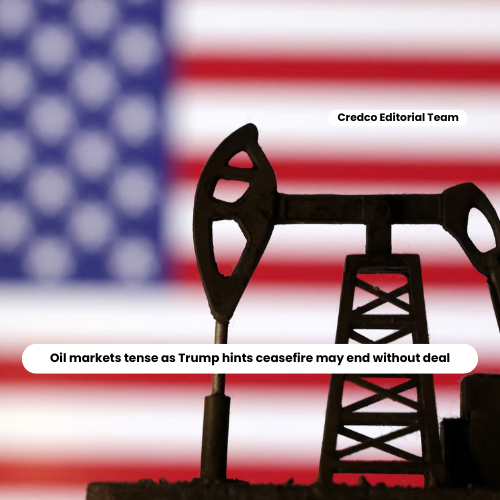
The ceasefire, initially announced on April 7, is now expected to conclude on Wednesday evening (Washington time), slightly later than earlier market expectations. However, Trump made it clear that he does not intend to prolong the arrangement without a concrete deal in place, emphasizing that negotiations will not be rushed under pressure.
He also confirmed that the United States will continue maintaining its naval presence and restrictions near the Strait of Hormuz. According to his stance, access through the critical oil transit route will remain limited until an agreement is finalized.
Tensions escalated after a brief reopening of the Strait last week, which was quickly reversed. Iran tied any sustained reopening to the removal of U.S. maritime restrictions, reinforcing the standoff between the two sides.
Adding to the pressure, Iran’s First Vice President, Mohammad-Reza Aref, warned that maintaining security in the Strait comes with conditions. He suggested that restricting Iran’s oil exports while expecting uninterrupted security for global shipments is not a balanced approach, signaling potential consequences if the situation remains unresolved.
Despite these developments, oil prices showed a slight decline in early Asian trading, reflecting cautious optimism in the market. Traders appear hopeful that diplomatic discussions between the two countries could resume soon, although some analysts believe the market may be overestimating the likelihood of a quick resolution.
Overall, the situation remains fluid, with both geopolitical tensions and supply concerns continuing to influence oil market sentiment.
Stay ahead of market trends with the Credco app. For any queries, please reach out via WhatsApp at +91 8448083211.
Related on the Wire
- Crude·Monday, 28 September 2026
Oil Prices Rebound as Trump Rejects Iran Peace Proposal
Oil prices moved higher on Monday after US President Donald Trump rejected a peace proposal put forward by Iran, increasing uncertainty around diplomatic efforts to resolve the conflict and keeping concerns over Middle Eastern oil supplies elevated. Iran had submitted the prop…
Read story - Crude·Thursday, 22 October 2026
India’s Middle East Crude Imports Rebound 32% in September
India’s crude oil imports from the Middle East recovered to levels last seen before the war in September, supported by increased oil shipments through the Strait of Hormuz. Meanwhile, India’s purchases of Russian crude declined as Chinese buyers increased competition for Russi…
Read story - Crude·Monday, 5 October 2026
Oil Prices Ease as G7 Reserve Release and Mideast Supply Recovery Reduce Pressure
Oil prices extended their decline on Monday as the G7’s coordinated emergency stock release and a recovery in Middle Eastern crude exports eased concerns over supply disruptions linked to the US-Israeli war with Iran. However, Brent crude remained above the key $100/bbl level …
Read story - Crude·Monday, 28 September 2026
Saudi Yanbu Crude Loadings Remain Stalled Despite Pipeline Restart
Crude oil flow through Saudi Arabia's pipeline to refineries on the Red Sea coast has resumed, yet crude loadings at Yanbu remain stalled. This disruption is significant for feedstock logistics, potentially constraining or delaying regional polymer supply, particularly affecti…
Read story